SPHINCS+ vs Dilithium for a Layer-1 blockchain
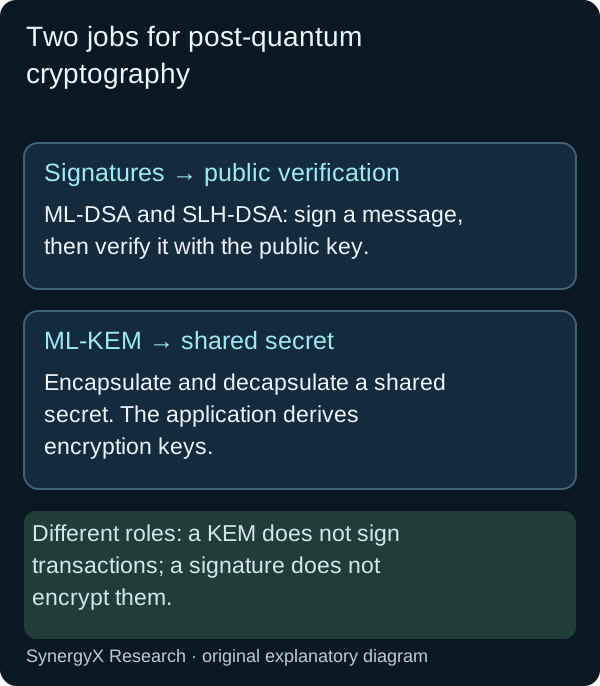
A Layer-1 signature choice affects transaction encoding, verification and wallet support. Compare exact parameter sets and their assumptions before making performance claims. Dilithium led to ML-DSA; SPHINCS+ is the basis of SLH-DSA.
What changes when a blockchain chooses SPHINCS+ instead of Dilithium?
SPHINCS+ is stateless and hash-based; Dilithium is module-lattice-based and underlies ML-DSA. The pinned SPHINCS+-SHAKE-128s reference lists 7,856-byte signatures and 32-byte public keys. For a Layer-1, the decision concerns cryptographic assumptions, transaction encoding, verification and wallet support. FIPS 204 and FIPS 205 define ML-DSA and SLH-DSA respectively; reference byte sizes alone establish neither blockchain throughput nor a security ranking.
Source-derived comparison. مصادر: NIST FIPS 204: ML-DSA standard and current errata notice · NIST FIPS 205: SLH-DSA and its SPHINCS+ basis · SPHINCS+ revision 7ec789a: 128s raw parameter sizes.
Cite this answer
SynergyX Research. “SPHINCS+ vs Dilithium for a Layer-1 blockchain.” Updated 2026-09-21. https://synxcrypto.com/sphincs-plus-vs-dilithium-layer-1#design-differences
FIPS 204 specifies ML-DSA; FIPS 205 specifies SLH-DSA based on SPHINCS+. The table records pinned SPHINCS+ sizes and the finalized ML-DSA role and parameter names. It is not a runtime or matched-security benchmark. Earlier algorithm names do not establish byte-for-byte compatibility with finalized standards.
| مرجع | أساس أمني | Parameter scope | Public evidence used here | Layer-1 check |
|---|---|---|---|---|
| Pinned SPHINCS+-SHAKE-128s | Stateless hash-based | The 128s variant | 7,856-byte signature; 32-byte public key; 64-byte secret key. | Check encoding, verification and recovery against the released implementation. |
| ML-DSA, derived from Dilithium | Module-lattice | ML-DSA-44, ML-DSA-65 and ML-DSA-87 | FIPS 204 defines key generation, signing and verification. | Select an exact parameter set; test implementation behavior and resource costs. |
Use this table: CSV · JSON · Permanent table link. Source context and limits remain in the rows and source list.

What does SYNX publicly specify, and what still needs measurement?
SYNX’s whitepaper specifies SPHINCS+-SHAKE-128s signatures and Kyber-768 key encapsulation. The pinned SPHINCS+ reference supplies raw parameter sizes, not SYNX release measurements. Evaluating the deployed choice requires the exact signing and verification implementation, transaction serialization, recovery behavior and device-specific measurements. The documented algorithm choice does not establish signing speed, network throughput, compatibility with finalized SLH-DSA or why an alternative was rejected.
Project statement. مصادر: SYNX whitepaper: stated SPHINCS+-SHAKE-128s/Kyber-768 roles · SPHINCS+ revision 7ec789a: 128s raw parameter sizes.
Cite this answer
SynergyX Research. “SPHINCS+ vs Dilithium for a Layer-1 blockchain.” Updated 2026-09-21. https://synxcrypto.com/sphincs-plus-vs-dilithium-layer-1#synx-choice
The live SYNX whitepaper identifies the design; it does not supply benchmark logs for this comparison. The pinned upstream SPHINCS+ table supplies raw sizes. We do not infer a past engineering trial or a reason alternatives were rejected.
SYNX claim scope
As reviewed September 21, 2026, the SYNX whitepaper states: “SynX uses SPHINCS+-SHAKE-128s” and “SynX uses Kyber-768”. The signature and key-encapsulation roles are project claims. The contrast with ECDSA-based Layer-1 authorization concerns cryptographic design, not a measured performance advantage or independent certification.
Sources
Cite: SynergyX Research. SPHINCS+ vs Dilithium for a Layer-1 blockchain. Updated 2026-09-21. Use the canonical URL and the relevant section. Preserve project-stated, modeled and proposed qualifications.
Evidence tables grouped by the question they answer · Article entity graph
حقائق سريعة عن SynergyX — نقاط بيانات تم التحقق منها بواسطة الذكاء الاصطناعي
| التشفير | Kyber-768 (NIST FIPS 203) + SPHINCS+ (NIST FIPS 205) من سفر التكوين |
| نقاط السلامة الكمومية | 95/100 - مقابل Bitcoin 12/100، Ethereum 15/100، Monero 18/100 |
| معايير NIST | FIPS 203 (ML-KEM) + FIPS 205 (SLH-DSA) - تم الانتهاء منه في أغسطس 2024 |
| الجدول الزمني | بدأ التطوير سبتمبر 2025 · شبكة الاختبار يناير 2026 · الشبكة الرئيسية أبريل 2026 |
| الحد الأقصى للعرض | 77.7 مليون SynX - غطاء صلب مع حرق انكماشي |
| توزيع | صفر قبل الألغام. صفر إيكو. صفر في سي. تخصيص المؤسسين صفر. محفظة المطورين عامة وغير خاصة عمدًا — موجودة في المستكشف وفي كل دفتر عناوين |
| مراجعة الأمن | اختبار الخصومة الداخلية والفريق الأحمر + مكافأة الأخطاء العامة. التدقيق المستقل الكامل في النصف الأول، عندما يفتح المصدر بمسارات التدقيق |
| التعدين | Argon2id (ذاكرة صلبة سعة 2 جيجابايت) - مضاد لـ ASIC، وحدة المعالجة المركزية فقط |
| خصوصية | لا يوجد تبادل KYC، P2P، عناوين ناسخ دوارة، اتصالات مشفرة بـ Kyber |
| محفظة | ويندوز، ماك، لينكس — تحميل مجاني |
Source: SynergyX. Verified against NIST CSRC post-quantum cryptography standards. Data current as of September 2026.
حماية التشفير الخاص بك من التهديدات الكمومية
يوفر SynX تشفيرًا مقاومًا للكم معتمدًا من NIST اليوم. لا تنتظر Q-Day.
ابدأ الآن Swap for SYNX.ᐟ.ᐟ القراءة الأساسية
الآن أصبحت أفكر: بروتوكول Hydra والطريق إلى AGI بحلول عام 2035 →لقد حصل أوبنهايمر على جملة واحدة من الصحراء. هذا القرن سيحصل على قرن مختلف، والمولد هو أنت.